Heating and plumbing installation across Germany

Otto Hermann GmbH Zentralheizungen und sanitäre Anlagen

Central heating, boilers, bathrooms and pipework. Installed properly, commissioned, and left working.

  • Heating systems
  • Sanitary installation
  • Emergency callouts

The work

Central heating, whole system

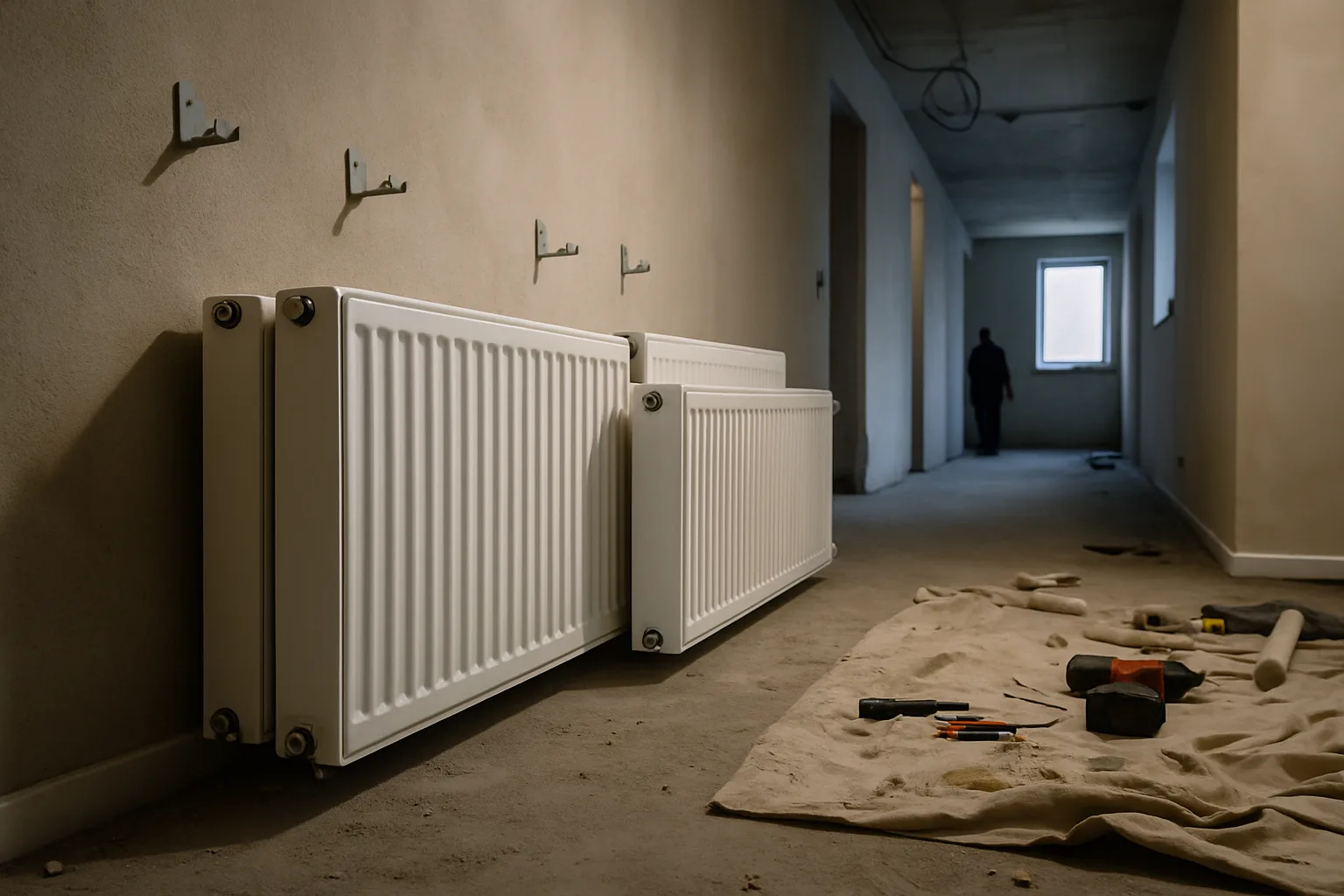
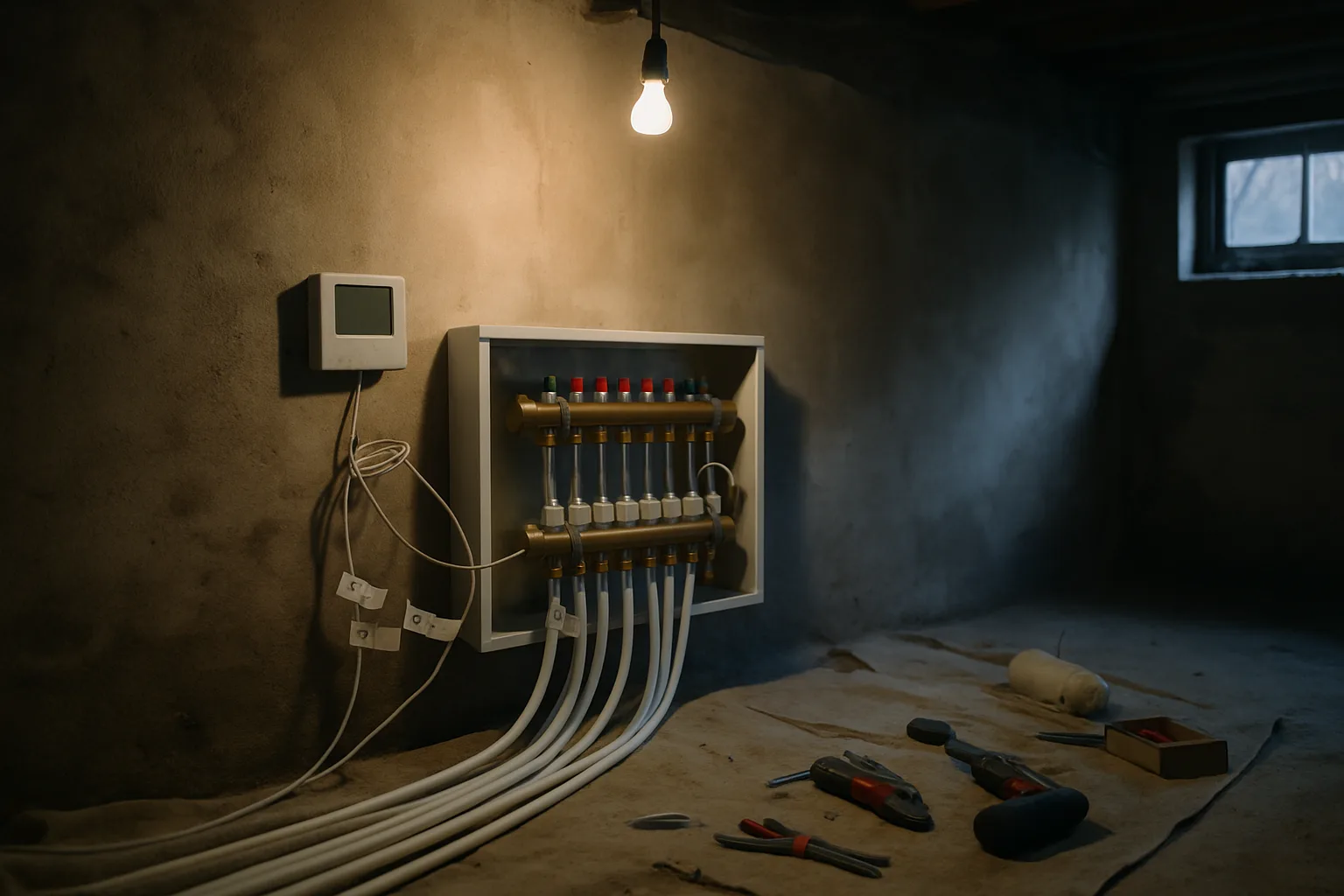
Heat source, distribution, emitters. Boiler or heat pump set, flow and return run, radiators or underfloor circuits laid, system filled, vented, hydraulically balanced and commissioned under load.

Boiler installation and replacement

Old unit stripped out, gas or oil line and flue adapted to the new appliance, system power-flushed before it goes on, controls set and the operation shown to whoever lives there.

Sanitary and bathroom installation

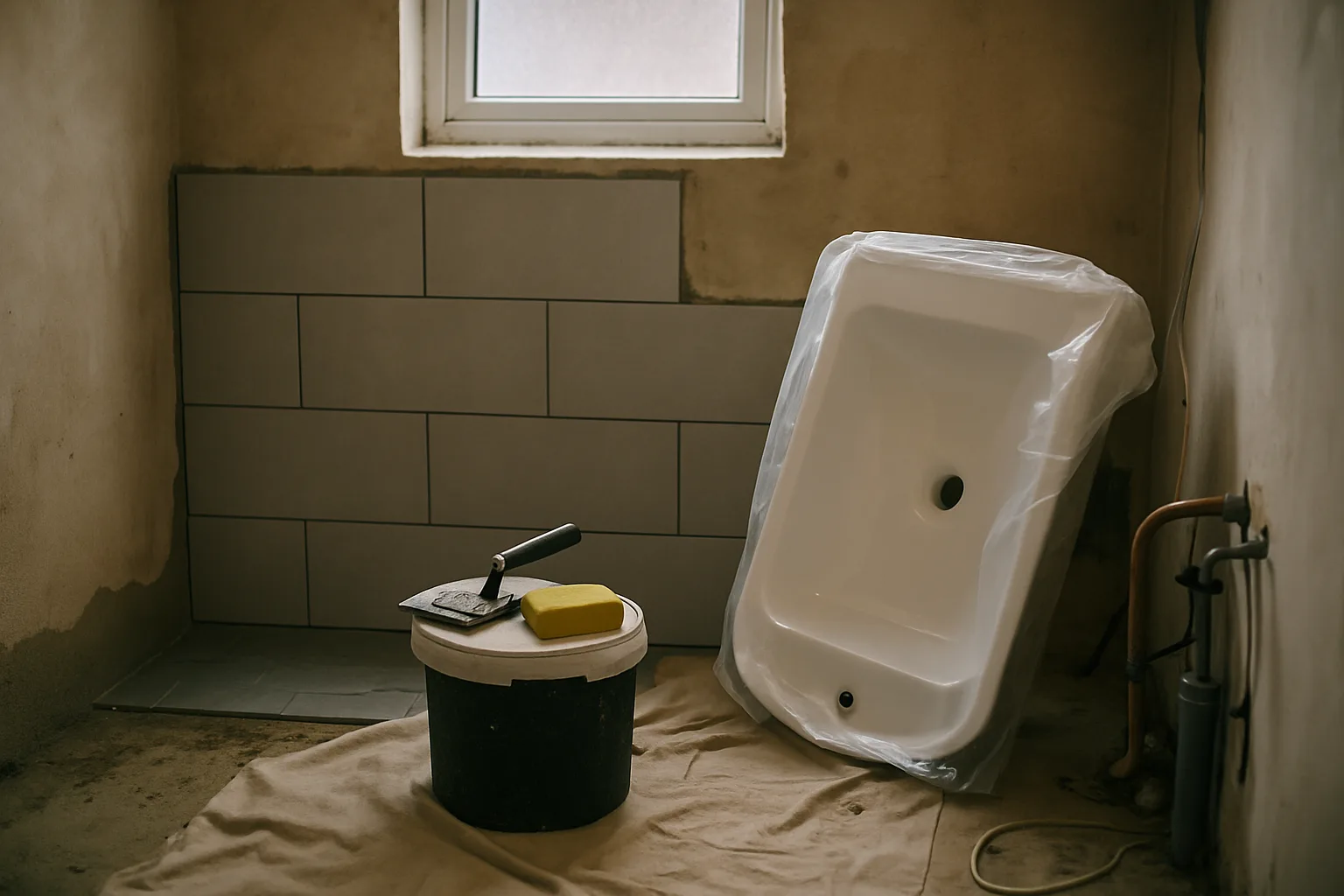
Supply and waste roughed in, pre-wall frames set true, WCs, basins, showers and baths fitted and sealed. We work with the tiler rather than after him.

Pipework and fittings

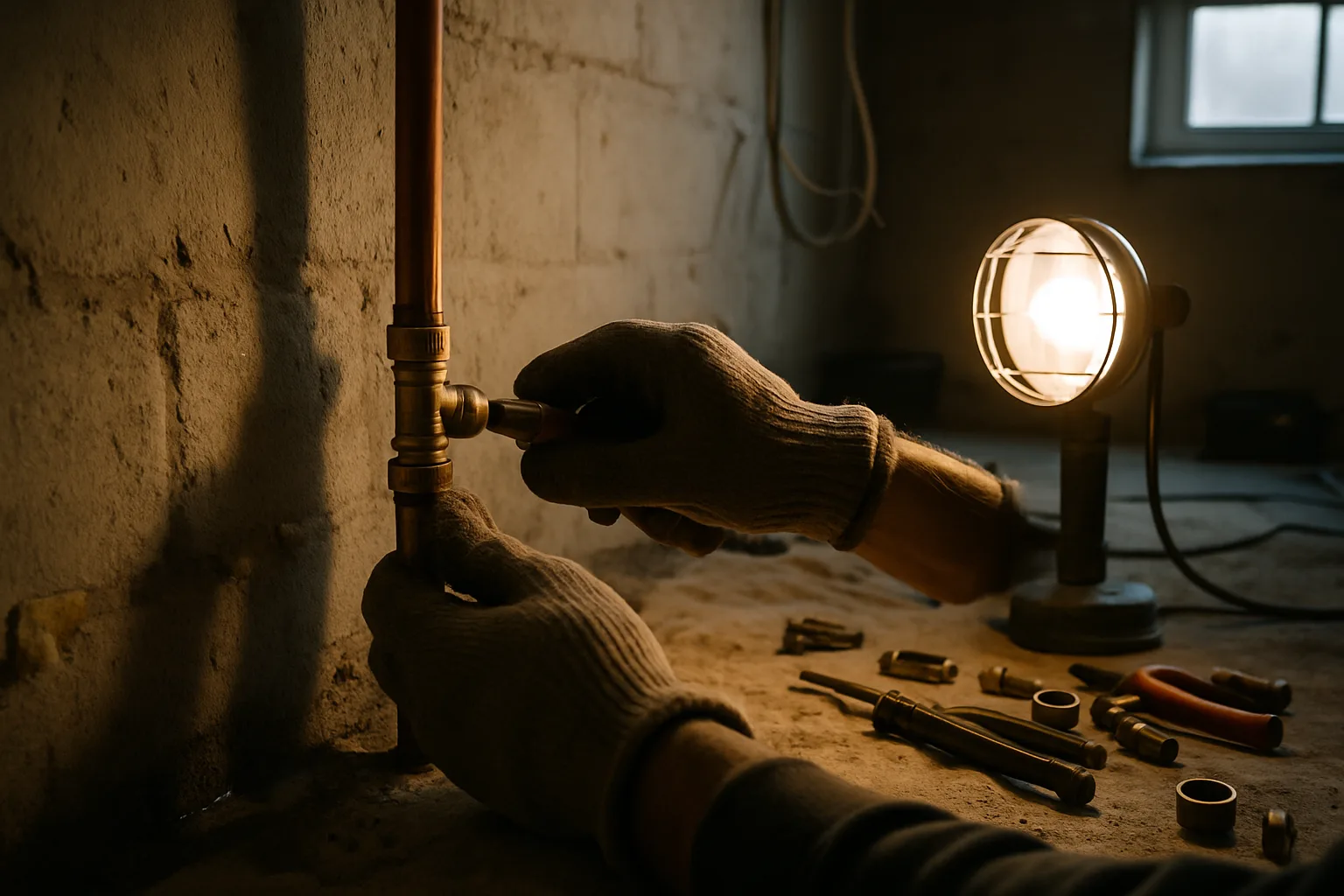
Copper, stainless, steel and multilayer composite, pressed or soldered. Reroutes around new walls, risers in occupied buildings, leak tracing and pressure testing before anything is closed up.

Maintenance and repair

Annual service on heating plant, fault finding on no-heat and no-hot-water calls, pumps, valves, expansion vessels and controls replaced with parts that are still available in five years.

Emergency callouts

Burst pipe, dead boiler in a cold week, water where it should not be. We isolate first, make it safe, then talk about the repair.

What goes wrong, and why it is usually not the boiler

Most of the calls we take in the first cold week sound the same. Some radiators are hot at the top and cold at the bottom, one room never warms up at all, the boiler is cycling on and off every few minutes, and the bill is higher than last year. The homeowner has decided the boiler is finished. Nine times out of ten the boiler is fine.

A heating system is a circuit, not an appliance. The heat source is one part of it; the pipe sizes, the pump setting, the valves, the air in the system and the sludge at the bottom of it are the rest. Put a new condensing boiler on an old, unbalanced, dirty system and you get a new boiler that short-cycles, never condenses, and fails early. That is why we survey before we quote, and why a replacement job always includes cleaning the system it is being plumbed into.

Balancing is the boring part that does the work

When a system is commissioned properly, every radiator gets the flow it was designed for and the water comes back to the boiler cold enough for it to condense. That means turning down the circuits nearest the pump, opening the far ones, measuring the temperature drop across each emitter and setting the lockshields accordingly. It takes a morning. It is the difference between a system that runs at 55 °C and one that has to run at 75 °C to heat the same rooms — and the fuel difference is permanent.

Sanitary work is decided behind the wall

By the time a bathroom is tiled, every mistake in it is expensive. Waste falls, pre-wall frame heights, the position of the shower mixer relative to the screen, whether the WC bracket is bolted into something that will still be there in twenty years — that is all set in the first two days, before anyone sees anything. We rough in, pressure test, photograph the walls open, and hand those photographs over. Whoever opens that wall next will know what is in it.

Old buildings, occupied buildings

A lot of our work is in flats and houses that people are living in while we are in them. That changes the method, not the standard: risers done section by section so water is off for hours rather than days, dust sheets and a vacuum at the end of each day, isolation points fitted so the next repair does not need the whole block shut down. For landlords and property managers that last point matters more than anything we put in the quote.

What you are left holding

A commissioned system, the appliance documents and settings, the test record, the photographs of the pipework before it was covered, and a plain explanation of what to do if it stops. No system is maintenance-free. A system you understand is one you can keep.
What you can ask us for by name

Every job is quoted after a survey — what follows is the scope, not a price list.

Central heating installation

New system in a house, extension or converted floor, from heat source to the last radiator.

  • Heat load calculation room by room
  • Pipe runs, radiators or underfloor circuits
  • Controls and zone valves set up
  • Commissioning and hydraulic balancing
Most asked for

Boiler replacement

Like-for-like swap or a change of appliance type, on a system that gets cleaned first.

  • Removal and disposal of the old unit
  • Gas or oil line and flue adapted
  • System flush and inhibitor dosed
  • Handover with settings explained

Bathroom and sanitary fit-out

Full sanitary installation, coordinated with the tiler and the electrician.

  • Supply and waste rough-in
  • Pre-wall frames and concealed cisterns
  • Fitting of WC, basin, shower and bath
  • Pressure test and open-wall photographs

Service and repair

Annual service on heating plant, or a fault that needs finding before it needs fixing.

  • Appliance service and combustion check
  • Pump, valve and vessel replacement
  • Leak tracing on concealed pipework
  • Test record handed over

Landlord and property manager work

Planned work across several units, with tenants in them.

  • Riser and stack renewals in stages
  • Isolation fitted for future repairs
  • Scheduled access, unit by unit
  • Written record per apartment

Scopes are indicative. The written quote after the survey is what counts.

How a job runs

  1. You describe the job

    Send the enquiry with what the building is, what is in it now and what you want changed. Photographs of the boiler plate or the bathroom help more than a long description.

  2. Survey on site

    We look at the actual pipework, the flue route, the water pressure and the access. Nobody can quote heating work from a floor plan alone.

  3. Written quote, with the scope on it

    Line by line: what is being removed, what is being installed, what is excluded, and how many working days we will be in the building.

  4. The work

    Agreed start date, water off only for the hours it has to be, dust sheets down, site cleared at the end of each day.

  5. Commissioning and handover

    System filled, balanced and run under load, controls set, documents and test record handed over, and the open-wall photographs with them.

Tell us what needs doing

Installation, replacement, a fit-out or a fault — write it in your own words and we will come back to you.

  • A fitter reads it, not a call centre
  • We reply with questions or a survey date
  • The quote comes in writing, after the survey